
- Home
- Crypto Blog
- The Complete Guide to ICO Press Release Distribution
The Complete Guide to ICO Press Release Distribution
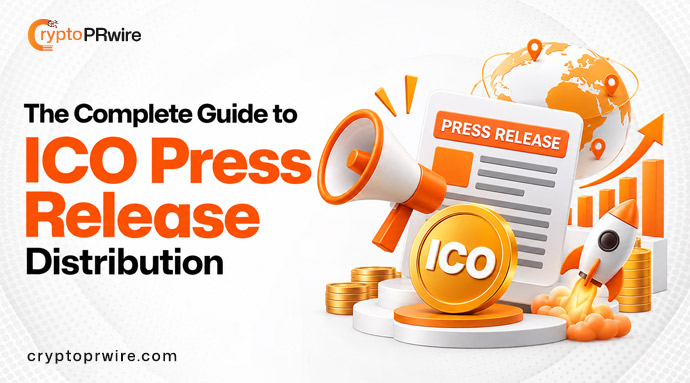
An ICO announcement should help readers answer basic questions. What does the project do? When does its token sale start? What will buyers receive, and what risks do they face?
ICO Press Release Distribution can put those answers before relevant readers and media outlets. Yet sending the same sales pitch to many sites is not enough. A useful release needs a real update, checked facts, and clear sale terms.
This matters as teams review how they describe token offerings. In August 2026, the U.S. Securities and Exchange Commission (SEC) proposed rules for certain crypto asset offerings. The rules are still a proposal. They do, however, place fresh attention on what issuers tell potential buyers.
ICO release facts to prepare
| Detail | What readers need to know |
| Token price | Confirmed sale price and accepted payment assets |
| Supply | Total supply and share offered in the sale |
| Dates | Sale start, end, and planned token delivery |
| Vesting | When buyers and team members can access tokens |
| Product | What is live now and what is still planned |
| Risks | Limits, delays, technical risks, and access rules |
| Contact | A working way for media to ask questions |
This is a publishing checklist. It does not report the live price or market data of a specific token.
What Is ICO Press Release Distribution?
An ICO PR distribution is a written announcement about a token project. Distribution is the process of sending it to selected publishers or arranging agreed media placements.
The release may announce a sale date, a live product, or another event that people can check. It gives each outlet a set of core facts, source links, and a media contact.
A placement can make the update easier to find. It does not mean a publisher has independently approved the token or its business plan. Paid publication and independent news reporting are different forms of coverage.
Before buying a placement, check what the service will deliver. The CryptoPRWire press release submission page lets teams review publishing options. Its terms should be read alongside each offer’s price, format, and delivery details.
Why Does an ICO Need a Clear News Angle?
Readers need to know what happened. A line such as “Our token will reshape finance” is a claim about the future. “The project opened its public testnet on September 19” describes an event that readers can verify.
For ICO PR Distribution, choose one main update for each release. Good reasons to publish may include:
-
The project has confirmed its token sale date.
-
A product is live and open for testing.
-
The team has published its token supply and vesting plan.
-
An audit report is available to read.
-
Both parties have confirmed a new partnership.
Do not turn a plan into a completed event. An exchange listing that a team hopes to secure is not a confirmed listing. An audit that has started is not a finished audit.
If the announcement has no new, checkable fact, it may be better to wait. That gives the team time to finish the work and gives readers a stronger story later.
What Should You Verify Before Writing?
Start with a source file. Put each important claim next to the document or person that can confirm it. This makes the final edit much easier.
Check token figures and dates
Compare the release with the latest official token plan. Check the token name, ticker, blockchain, sale price, total supply, sale allocation, and vesting schedule.
Dates need the same care. State the time zone for the sale opening and closing times. If a date may change, do not present it as fixed.
Check product and partner claims
Open every product link. If the release calls an app “live,” readers should be able to see or use the stated feature. If it names a partner, seek confirmation from that partner before publication.
The Crypto Press Release Approval Process guide covers checks for names, figures, quotes, links, and financial claims. Use those checks before a release reaches a publisher.
Check who approved the quote
A founder quote can explain why the project made a choice. For example, it may explain why the team chose a long vesting period. The named person should approve the final wording.
Editorial test: Can a reader tell what is live, what is planned, and where each key figure came from? If the answer is unclear, check the draft again before sending it.
How Do You Write an ICO Press Release?
Put the news first. The headline should describe the confirmed event. The opening paragraph should answer who, what, and when. After that, explain why the update matters to the project.
A clear release can follow this order:
-
Headline: State the event without a price prediction.
-
Opening paragraph: Name the project and the confirmed update.
-
Project context: Explain what the product does in simple terms.
-
Token facts: Add only figures supported by current documents.
-
Sale terms: Give dates, payment options, limits, and vesting.
-
Approved quote: Add context from a named speaker.
-
Risk and source details: Help readers check the claims.
-
Media contact: Provide a working email or contact page.
Keep paragraphs short. Explain terms that a new reader may not know. If the release mentions vesting, say that it sets when tokens become available.
Do not fill the release with market terms that do not apply. A new ICO press release distribution may have a sale price but no trading volume or market cap. Those figures should appear only when they exist, are current, and have a reliable source.
How Do You Choose Media Outlets?
The best fit depends on the story and its readers. A release about a blockchain tool may suit media that cover technology. A token sale with country limits needs outlets that can show those limits clearly.
A large list of sites may create broad exposure. A smaller set of relevant media outlets may bring more useful questions. Neither result can be judged by placement count alone.
Before placing an order, ask:
-
Who reads the outlet?
-
Will the release appear as sponsored content or another format?
-
What is the full cost?
-
Will the outlet edit the draft?
-
What links and labels will appear?
-
When is publication expected?
-
What happens if the outlet requests changes?
-
Will you receive the live URL?
Teams can use a crypto media database to start their research. They should still review each outlet’s current terms before making a choice.
Google’s spam policies also apply to news content. Write for readers and avoid using repeated releases mainly to place search links or near-identical pages.
When Should You Distribute the Release?
Build the schedule around a confirmed event. A release about a sale opening is most useful when the official sale page is ready and its terms match the announcement.
Allow time for three checks:
-
Project review: Confirm all dates, numbers, and links.
-
Editorial review: Remove unclear or unsupported claims.
-
Publisher review: Answer questions and approve any changes.
If the project changes a sale date, update its official page. Then tell publishers that received the older version. If an incorrect release is already live, ask for a clear correction.
Do not add “breaking” or “latest” simply to make an old update look new. Use time words only when they describe the event accurately.
How Can You Measure the Results?
Start with what the campaign delivered: live publication links. Then look at whether people reached the project and took useful steps.
| Measure | What it shows | Its limit |
| Live publication URLs | Which placements appeared | It does not show readership |
| Referral visits | Traffic from tracked links | A visit is not an endorsement |
| Branded searches | Interest in the project name | Several events may cause a rise |
| Media questions | Interest from reporters | Questions may lead to no coverage |
| Relevant inquiries | Readers asking about the project | They do not predict token sales |
| Corrections | Whether published facts stayed accurate | They do not measure reach |
Compare results with the period before publication. Note other events that happened at the same time. If the team also launched its product, do not credit every new search or visit to the crypto PR.
For a closer look at costs and outcomes, use this guide on measuring crypto press release ROI.
ICO Press Release Distribution works best when the team measures both delivery and reader response. A report of live links confirms placements. It cannot, by itself, prove trust or business growth.
What Risks Must an ICO Release Explain?
A token sale may help fund a project and bring people into its network. Buyers may also lose money. The product could face delays, a contract could have flaws, or the token could have little demand after the sale.
Explain those risks in plain language. State what an audit covered if one exists. Do not suggest that an audit removes all technical risk.
Be precise about regulation, too. A rule may apply differently based on the token, the sale, and the buyer’s location. The SEC’s August 2026 announcement describes proposed, rather than final, rules for certain offerings. A PR cannot decide a token’s legal status.
The team should have qualified legal advisers check the sale and its public claims in the places where it plans to offer the token. That review is part of getting the facts right, not a claim that the project has official approval.
Final Checklist Before You Submit
Read the draft once as a reader who has never heard of the project. Then ask:
-
Does the first paragraph state the real update?
-
Can each major claim be checked?
-
Do sale figures match the official token plan?
-
Are planned features marked as plans?
-
Are dates, time zones, and access limits clear?
-
Has the named speaker approved the quote?
-
Are the risks easy to find?
-
Do all source and contact links work?
-
Does the publisher’s label match the placement type?
Good ICO PR Distribution starts with a release that people can check. Relevant media can help a real update reach more readers. Clear facts help those readers assess both the project’s aims and its risks. A publication alone does not establish a token’s value or future performance.
Disclaimer
This article is for informational purposes only and is not financial advice. Please do your own research (DYOR) and consult a licensed financial advisor before investing.

Kartik Sharma is a content strategist and crypto PR writer specializing in blockchain, Web3, and digital marketing. With a passion for simplifying complex topics, he crafts SEO-driven content, press releases, and guides that help crypto startups gain visi