
- Home
- Crypto Blog
- Crypto PR Packages Explained: Starter vs Premium Package Compared
Crypto PR Packages Explained: Starter vs Premium Package Compared
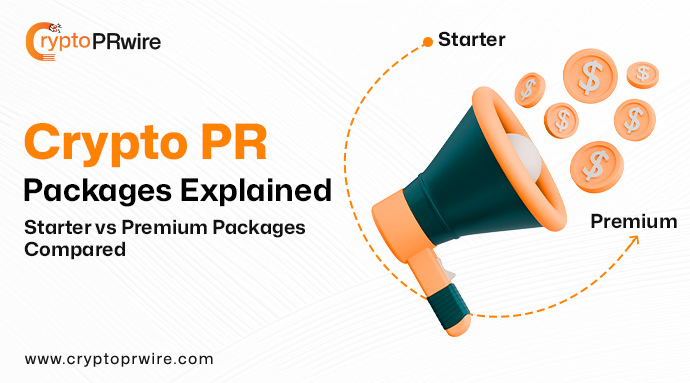
Crypto PR packages are often marketed as simple bundles, publish a press release, get coverage, move on. In reality, these packages can differ widely in quality, scope, and value. For founders and marketing teams, misunderstanding what a crypto PR package includes can lead to wasted budgets, weak visibility, or even reputational risk.
This guide explains how crypto PR packages work, what they typically include, what they often leave out, and how to decide whether a packaged approach fits your project’s real needs.
What Is a Crypto PR Package?
A crypto PR package is a predefined set of PR services offered at a fixed scope. Instead of building a campaign from scratch, you select a package that outlines deliverables, timelines, and coverage type in advance.
Most packages are designed to simplify decision-making, especially for teams that want predictable execution. However, predictability does not always equal suitability, especially in crypto, where context matters.
To understand how package pricing fits into broader cost structures, this guide on crypto PR pricing and ROI benchmarks explains how packaged services align with long-term PR value.
Common Elements Found in Crypto PR Packages
While no two providers structure packages exactly the same way, many include similar core components.
Press Release Creation
Most crypto PR packages include the drafting or editing of a press release. The level of involvement can vary. Some providers simply edit client-submitted drafts, while others create content from scratch.
High-quality content development focuses on clarity, accuracy, and editorial acceptance, not promotional language. This distinction matters, especially for crypto projects operating in sensitive or highly scrutinized niches.
Why clear messaging and storytelling matter
In the crypto space, trust is fragile. Many readers, investors, and journalists approach new projects with caution. Because of this, the way your story is written matters just as much as the announcement itself.
Good press release writing should:
Explain the project in simple, clear language
Highlight the real problem your product solves
Avoid exaggerated or promotional claims
Present facts that journalists can verify
Strong storytelling improves the chances that editors will consider your news credible and relevant. Without clear messaging, even wide distribution may fail to create meaningful coverage.
Distribution to Crypto Media
Distribution is usually the most visible part of a package. This involves submitting the press release to selected crypto news outlets or distribution networks.
What’s often unclear is where the release will appear and how editors engage with it. Broad distribution does not always mean meaningful coverage.
For a clearer view of how distribution costs are structured, this crypto PR cost breakdown guide explains the drivers behind outreach pricing.
Guaranteed Coverage vs Pitched Coverage
Another important detail is whether the PR package guarantees coverage or simply pitches your story to media outlets.
Some packages promise guaranteed placement. In most cases, this means the article will appear as paid or sponsored content. This guarantees visibility, but it does not mean a journalist independently chose to cover your story.
Other packages focus on pitching your news to editors and journalists. In this case:
Coverage is not guaranteed
Editors decide whether the story is newsworthy
Articles are more likely to be seen as editorial coverage
Understanding this difference helps set realistic expectations about the type of exposure your project may receive.
Paid vs Earned Media in Crypto PR Packages
Another key question is whether the articles included in the package are paid placements or earned media coverage.
Paid placements are articles published because the project paid for distribution. These often appear as sponsored or advertorial content. They can help reach a wider audience quickly, but they usually carry less editorial credibility.
Earned media works differently. In this case, journalists choose to cover the story because they believe it is relevant or newsworthy. Earned coverage often builds stronger trust and long-term credibility.
Before choosing a package, it is helpful to clarify:
Are the articles paid placements or editorial coverage?
Will sponsored content be clearly labeled?
Does the package guarantee publication or only outreach?
Knowing these details helps you understand the true value of the coverage.
Which Media Outlets Will the PR Team Target
Not all PR packages target the same media outlets. Some focus only on crypto-specific websites, while others try to reach technology, finance, or business publications as well.
The outlets selected can strongly influence how your project is perceived. For example, coverage on well-known industry sites may carry more credibility than dozens of placements on smaller aggregation platforms.
Before selecting a package, ask the PR team:
Which types of media outlets are included in distribution
Whether they target niche crypto publications or broader tech media
If the list of outlets can be shared in advance
Understanding where your news will appear helps you judge the real visibility your announcement may receive.
What Crypto PR Packages Often Don’t Include
One of the biggest risks with packaged PR services is assuming they cover everything you need.
Many packages exclude:
Strategic narrative development
Media relationship building
Follow-up pitching
Reputation or risk assessment
Messaging adjustments after feedback
These omissions don’t mean packages are bad, they simply mean they are designed for specific use cases. Understanding these limits helps avoid disappointment.
Some of the risks associated with missing elements are explained in this guide on hidden costs in crypto PR, which highlights issues that arise after the package is delivered.
Are Strategic Services Included?
Many teams assume a crypto PR package includes deeper communication support. In reality, entry-level packages often focus only on writing and distributing a press release.
Services that may not always be included are:
Strategic messaging development
Story refinement and positioning
Interview preparation
Media talking points
Ongoing communication advice
If your team has limited experience speaking with journalists, these services can be valuable. Always confirm what level of communication support is included before choosing a package.
Entry-Level vs Advanced Crypto PR Packages
Not all packages serve the same purpose. They generally fall into two broad categories.
Entry-Level Packages
These are often suitable for:
Straightforward announcements
Early visibility
Projects testing PR for the first time
They usually focus on execution rather than strategy.
Advanced or Premium Packages
More advanced packages may include:
Multiple announcements over time
Tiered media outreach
Editorial guidance
Ongoing communication support
These packages cost more because they involve sustained effort rather than one-off delivery. They are better suited for projects that care about long-term perception.
How Geography Impacts Package Design
Crypto PR packages are often structured differently depending on target regions. Editorial standards, language requirements, and compliance expectations vary widely across markets.
A package designed for global English-language coverage may not translate well to region-specific campaigns. Localization, review processes, and outlet relationships can significantly change what a package realistically delivers.
If regional targeting matters to your strategy, this regional crypto PR pricing guide explains how geography influences both pricing and execution.
Packages vs Custom Crypto PR Engagements
While packages offer simplicity, they are not always the best fit.
Custom PR engagements adapt scope, messaging, and outreach based on evolving needs. They allow flexibility when announcements change, timelines shift, or market conditions fluctuate.
How PR Providers Tailor Packages to Project Needs
Some PR providers offer flexible packages that adapt to a project's stage, audience, and goals. This customization can improve results because each project has different messaging needs.
Customized campaigns may consider factors such as:
The type of product or protocol being announced
The intended audience, such as developers, users, or investors
Short-term announcements versus long-term brand building
Market conditions and project timing
A tailored approach helps ensure the campaign speaks to the right audience and highlights the most relevant aspects of the project.
Packages, on the other hand, work best when:
Messaging is stable
Goals are clearly defined
Risk levels are low
If you’re still deciding how to evaluate outcomes from either approach, this crypto PR ROI calculator guide explains how teams assess value beyond surface-level exposure.
How to Choose the Right Crypto PR Package
Choosing the right package is less about price and more about alignment.
Before selecting a package, ask:
Does this match our current stage?
Are our messages straightforward or sensitive?
Do we need strategy or just execution?
What happens if coverage doesn’t land as expected?
Clear answers to these questions make package selection far easier and reduce the risk of wasted spend.
Why Asking the Right Questions Matters
Asking detailed questions before starting a PR campaign can significantly improve the results. It helps ensure the package matches your real communication goals.
Helpful questions to ask include:
How flexible is the package if our announcement changes?
Will we review and approve the press release before distribution?
Is there a backup plan if coverage does not appear as expected?
How does the team measure campaign success?
Clear communication at the beginning helps avoid confusion later and ensures your marketing budget is used effectively.
How Campaign Performance Is Measured
Understanding how results are measured is important when evaluating any PR package. Different providers may track different metrics, so it helps to confirm how success will be reported.
Common performance indicators include:
Number of media placements
Estimated audience reach
Referral traffic to your website
Mentions across community platforms
Quality of backlinks from media outlets
Some teams also review sentiment, meaning whether the coverage is positive, neutral, or critical. These metrics help projects understand how their news is being received by the public.
Typical Timeline From Onboarding to Coverage
The timeline for a PR package can vary, but most campaigns follow a similar process. Planning ahead helps ensure the announcement aligns with your project milestones.
A typical timeline may include:
Onboarding and planning (2–5 days)
The PR team gathers information about your project and defines the scope of the campaign.
Content preparation (2–7 days)
The press release is written, edited, and approved.
Distribution and publication (1–7 days)
The release is sent to media outlets, and articles begin appearing across publications.
In many cases, the first coverage appears within one to two weeks after onboarding. However, exact timing depends on editor schedules and publication cycles.
Reviewing Case Studies and Past Campaign Results
Before selecting a PR provider, it can be helpful to review examples of past campaign outcomes. Case studies show how previous announcements performed and what type of coverage was achieved.
Useful information in campaign reports may include:
Examples of published articles
Traffic or visibility improvements
Audience reach estimates
Community engagement after announcements
Looking at real results can help determine whether the provider’s approach aligns with your project goals.
When Crypto PR Packages Make Sense and When They Don’t
Crypto PR packages work well for clear, contained objectives. Product updates, integrations, or ecosystem announcements often fit neatly into packaged services.
However, packages are less effective when:
Your narrative needs refinement
Trust-building is a primary goal
The project operates in a controversial space
Messaging may need adjustment mid-campaign
In these cases, flexibility often matters more than predictability.
Final Thoughts
Crypto PR packages are not shortcuts, they are structured tools. When chosen thoughtfully, they can deliver clarity, efficiency, and exposure. When chosen blindly, they can limit impact and create false expectations.
Understanding what a package includes, what it excludes, and how it fits into your broader PR strategy is essential. The goal is not to buy coverage, but to communicate responsibly and build credibility over time.
Disclaimer: This content is for informational purposes only and is not financial, legal, or investment advice. Consult qualified professionals before making decisions, as the authors are not responsible for any losses or outcomes.
Kartik Sharma is a content strategist and crypto PR writer specializing in blockchain, Web3, and digital marketing. With a passion for simplifying complex topics, he crafts SEO-driven content, press releases, and guides that help crypto startups gain visi