
- Home
- Crypto Blog
- How to Craft a Winning Press Release for Your Web3 Business
How to Craft a Winning Press Release for Your Web3 Business
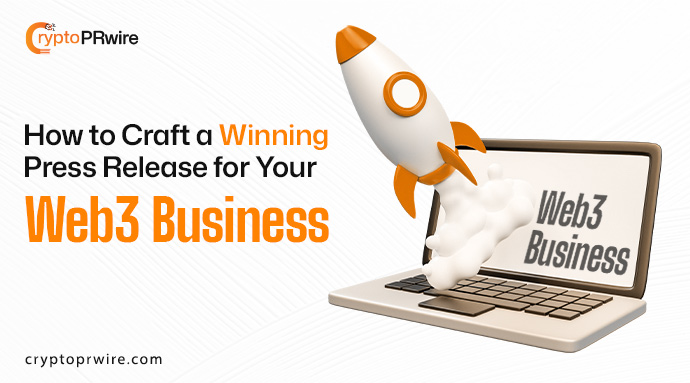
In the fast-moving world of Web3, a press release is often the first time people learn about your project. It goes to journalists, news sites, and chat groups like Discord and Telegram. But most Web3 business press releases do not work well. They are too hard to read, too unclear, too full of hype, or just too boring.
A good press release takes skill. You need to know what makes news, what your project does best, and what Web3 readers care about. A bad press release gets ignored. A good one can help your community grow, bring in money, and make your project look like a leader.
This guide will show you how to write a press release that people will read and remember.
1. Start with a Newsworthy Angle, Not Just Hype
The biggest mistake Web3 founders make is using too many big words. They say things like "revolutionary" and "game-changing." These words are used so much that nobody believes them anymore.
A good press release starts with real news. It answers: Why should people care right now? What makes this important or different?
Real news in Web3 usually means one of these things:
The Launch: You are putting out a new product or token.
The Partnership: You are working with another well-known project.
The Milestone: You hit a big number of users or money in your system.
The Hire: You got an expert to join your team.
The Funding: You raised money from investors.
Your title and first words must share this news right away. Do not say: "Amazing New DeFi Project Launches." Say: "DeFi Project X Launches on Ethereum to Fix Liquidity Problems with New Tool." The second title tells people exactly what is happening and why it matters.
For more ideas, you might find this blog on Why Every Web3 Startup Needs a Professional Press Release helpful.
2. Master the Inverted Pyramid Structure
People in Web3 are busy. They scan headlines and read fast. Your press release must help them get the point quickly.
The best way to do this is to put the most important information at the top. This is how news is written.
A good press release has:
The Headline: A short summary of your news.
The Lead Paragraph (The 5 Ws): This must answer who, what, when, where, and why. If someone reads nothing else, they should get the whole story here.
The Body (Supporting Details): This adds more details. It explains how your product works and how it helps people.
The Quote: A leader from your team says something about why this news matters.
The Boilerplate: A short description of your company.
This way, even people who only scan your release will understand your main point. It also helps journalists write their stories faster. When you help them, they are more likely to write about you.
To learn more, you can look at How Web3 Projects Can Leverage Affordable PR for Maximum Exposure.
3. Write in Plain Language, Minimize Jargon
Web3 has a lot of hard words. Words like "ZK-rollups" and "impermanent loss" make sense to experts but confuse everyone else. A good press release must be easy to read for all kinds of people.
This does not mean you hide what makes your project special. It means you explain it simply. For every tech idea, ask: What does this mean for the user?
If your project uses zero-knowledge proofs, say it gives people "faster and cheaper deals with full privacy." If you are making a new lending tool, say it lets people "earn more money on their crypto with less risk."
This focus on helping the reader makes your press release better. It also brings in more people not just crypto experts but also regular investors and news readers.
If you want to learn more, check out The Power of Press Releases in Promoting Web3 Innovations.
4. Include a Compelling, Quotable Quote
A press release without a quote feels flat. A good quote adds feeling and shows the people behind the project. It helps readers trust you.
But a bad quote just repeats what the press release already says. For example: "We are happy to launch our new product and think it will change everything." This adds nothing new.
A good quote should:
Tell Why: Why did the founder spend years working on this problem?
Thank People: Give credit to the team or community who helped.
Talk About What's Next: Share what is coming and show excitement.
For more on the importance of communication, especially in community-driven ecosystems, explore Press Releases and Web3: A Crucial Tool for Community Engagement.
5. Optimize for SEO Without Keyword Stuffing
In 2026, a press release is not just for journalists. It is also for search engines like Google. When your release gets posted on many news sites, it helps people find your project for a long time.
To make this work, you must use the right words without forcing them. This means:
Natural Keyword Use: Think about what people type when they look for Web3 news. Put those words in your title and paragraphs where they fit.
Smart Links: Put a link to your website in the first part of your release and in the about section.
Add Pictures: Use images or short videos if you can. Posts with pictures get more attention.
6. End with a Strong Boilerplate and Clear Media Contact
The end of your press release matters as much as the start. The boilerplate will show up on every site that shares your news. It must be short and clear.
A good boilerplate should have:
A One-Sentence Summary: What does your company do?
The Problem You Fix: What need are you meeting?
What Makes You Different: Why should people care about you?
Your Website Link: Always include this.
At the very end, add a media contact. This means a name and email address where journalists can reach you.
You can also add a phone number or Telegram name. If a reporter wants to talk to your founder, you must make it easy for them.
Conclusion
Crafting a winning press release for your Web3 business is a skill that can be learned and mastered. It requires a shift in mindset from hype-driven promotion to value-driven communication.
By focusing on newsworthiness, structuring your information for skimmers, writing in plain language, including quotable quotes, optimizing for SEO, and ending with a strong boilerplate, you can create a release that stands out in a crowded market.
A great press release is an investment in your project's future. It's the document that opens doors to media coverage, attracts investors, and builds trust with your community. In the competitive world of Web3, taking the time to craft a winning release is one of the smartest moves a founder can make.

Kartik Sharma is a content strategist and crypto PR writer specializing in blockchain, Web3, and digital marketing. With a passion for simplifying complex topics, he crafts SEO-driven content, press releases, and guides that help crypto startups gain visi