
- Home
- Crypto Blog
- RWA Tokenization PR: How Projects Reach Financial Media
RWA Tokenization PR: How Projects Reach Financial Media
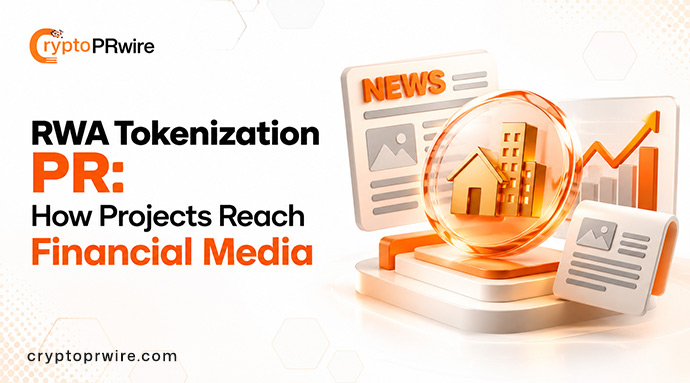
RWA Tokenization PR helps projects share news about real-world assets on a blockchain. These assets may include property, gold, bonds, or fund shares. A clear press release explains what the project offers, how it works, and what risks readers should know.
Getting media attention starts with a useful story. A project needs to show what has changed and why it matters. Big claims alone give a reporter little to work with.
This guide explains how to write a clear announcement, prepare proof, and pitch the right financial media.
What RWA Tokenization PR Means for Your Project
RWA stands for real-world assets. Tokenization creates a digital token linked to an asset or a claim.
However, holding a token does not always mean owning the asset itself. The project’s legal terms explain what the holder receives.
A token might represent:
-
A share in a fund.
-
A claim linked to gold.
-
Shares in a company that owns property.
-
A right to receive certain payments.
Your RWA Tokenization PR should explain that link in plain words. Readers should understand what they may hold before they read about the blockchain press release.
For help with the basic format, follow a clear crypto press release structure. Then add the facts needed to explain the asset.
Choose a Clear News Angle Before You Start Writing
Start with one real change. What has happened that people need to know?
A project may have launched a product, completed a test, or signed a deal. Each story needs a different headline and set of facts.
Useful news angles include:
-
A new asset product has opened to eligible users.
-
A project has completed its first asset issue.
-
A new firm has agreed to hold the assets.
-
A test has produced results the team can show.
-
A new feature lets eligible users request redemptions.
Be exact about the stage. A planned launch is still a plan. A signed deal does not mean the service is ready.
For example, “Project Plans Property Token Launch” tells a different story from “Project Opens Property Fund to Eligible Investors.”
Use the version your records support.
Explain the Asset Before You Describe the Technology
A financial story needs more than a token name and a network.
Start with the asset. Then explain who holds it, how it is valued, and what rights the token gives its holder.
Your release should answer these questions:
| Question | What to explain |
| What is the asset? | Name the asset or asset group |
| Who issues the token? | Give the legal entity’s name |
| Who holds the asset? | Name the firm responsible |
| What does the holder receive? | Explain the rights and limits |
| Who can take part? | State entry rules and location limits |
| How can users exit? | Explain sale or redemption terms |
If your news involves another business, confirm what each side has agreed to do. The blockchain partnership announcement guide can help you explain those roles.
Support Your Announcement With Facts You Can Prove
Build a small fact sheet before writing the release. Use your own approved records and project documents.
For each claim, ask: can we show how we know this?
Your fact sheet may include:
-
The launch date and time zone.
-
The product’s current stage.
-
The amount issued, with a date.
-
The method used to value the assets.
-
Fees and entry limits.
-
Transfer and redemption rules.
-
Approved names and quotes.
-
A media contact.
Use clear labels for numbers. Money raised is different from the value of assets held. A target is different from a completed raise.
Do not add a price table just to fill space. If price or trading data does not help explain the news, focus on the product facts instead.
Strong RWA Tokenization PR makes each figure easy to understand.
Write a Press Release That Readers Can Follow Easily
Keep the headline direct. State the project name and the change.
Avoid words such as “revolutionary” when a clear fact would say more.
Put the Main News in Your Opening Paragraph
The first paragraph should explain who did what, when it happened, and who it affects.
Here is a sample format. Replace each field with a verified fact:
[Project Name] has opened [product] to [eligible users] from [date]. The token represents [specific right or claim]. Users must meet [entry rules], and [key limit] applies.
Next, explain how the product works. Add a short quote that gives useful context. End with project details and a media contact.
You can adapt a token launch press release template to build the draft. Include the asset terms that make your story clear.
Match Your Story With the Right Financial Reporter
Choose media based on the subject of your news.
A property story may suit a real estate finance desk. A fund launch may suit an asset management reporter. A payment test may fit a banking or fintech writer.
Before sending a pitch, read the reporter’s recent work. Check whether your news fits the topics they cover.
Keep your email short:
-
State what happened.
-
Explain why it matters to their readers.
-
Offer proof and an interview.
-
Add a clear contact name.
Give the reporter a reason to ask more. A long sales pitch can hide the useful news.
RWA Tokenization PR should help a journalist assess the story and find answers quickly.
Explain Possible Benefits and Risks in Plain Words
If your project claims to save time or cut costs, show the basis for that claim. State what you tested and what you compared.
For example, a settlement claim should explain when the test started and ended. A cost claim should list which fees it includes.
Also explain the limits that could affect users.
These may include:
-
Changes in the asset’s value.
-
Limits on selling or moving tokens.
-
Delays when users request payment.
-
Fees that reduce what users receive.
-
Problems with a firm holding the assets.
-
Faults in the software.
Use the risks that apply to your product. Explain them in plain words rather than adding a vague warning.
Clear limits help readers make sense of the offer.
Track Useful Results After Your Announcement Goes Live
Set goals before you share the news. This makes the results easier to judge.
You might track:
-
Replies from relevant reporters.
-
Requests for interviews.
-
Independent articles about the announcement.
-
Visits to your project pages.
-
Relevant business enquiries.
-
Errors that need to be fixed.
Keep paid publication results separate from independent news coverage. They show different kinds of reach.
Before choosing press release submission options, review the audience, terms, and reports included.
After publication, check whether the coverage explains the asset and its limits correctly. Ask for a correction if a key fact is wrong.
Build Your Media Pitch Around a Clear, Useful Story
RWA Tokenization PR begins with facts that readers can follow. Explain what changed, what the token represents, and who can use the product.
Prepare your records before outreach. Choose relevant reporters and make someone available to answer questions.
A clear release can support your media work. Coverage still depends on the story and each outlet’s own choice.

Kartik Sharma is a content strategist and crypto PR writer specializing in blockchain, Web3, and digital marketing. With a passion for simplifying complex topics, he crafts SEO-driven content, press releases, and guides that help crypto startups gain visi